

If you are thinking about breast augmentation, one of the first questions you are likely to ask is a simple one: is it safe? Breast augmentation is a well-established cosmetic operation, and when it is carried out by a properly qualified surgeon in a regulated setting, most patients recover well. It is still major surgery, though, and like any operation it carries risks that you should understand before you decide.
In this guide, the team at Kat & Co in Edgbaston, Birmingham, explains what affects the safety of breast augmentation, the risks you should know about, and the questions worth asking before you commit.
The honest answer is that breast augmentation is considered a well-established procedure, but no surgery is free from risk. Safety depends on several things working together: your own health, the training and experience of your surgeon, the standard of the hospital or clinic, the type of implant used, and how carefully you follow aftercare advice.
A good surgeon will not promise you a perfect outcome. Instead, they will talk you through the possible complications, explain how they work to reduce them, and give you time to make a considered decision.
In the UK, any doctor can legally perform cosmetic surgery, so it is worth checking credentials carefully. Look for a surgeon who is on the GMC Specialist Register for plastic surgery, and ideally a member of a professional body such as BAAPS (the British Association of Aesthetic Plastic Surgeons).
At Kat & Co, breast surgery is carried out by consultant plastic surgeons, including our Clinic Director, Mr Andrej Salibi (MD MRCS MSc (AesthPlastSurg) FRCS (Plast), GMC Specialist Register, BAAPS), Miss Maria Chasapi (MD MRCS FRCS (Plast), GMC Specialist Register (Plastic Surgery), BAAPS member) and Miss Kerstin Oestreich, who has a special interest in cosmetic breast surgery, including augmentation, reduction and uplift.
Surgery should take place in a hospital or clinic registered with the Care Quality Commission (CQC) in England, with an anaesthetist present and proper facilities for overnight care if needed. Our anaesthesia team is led by Dr Andrew Downs, Director of Anaesthesia.
Smoking, some medical conditions and certain medications can all increase the risk of complications, particularly with wound healing and blood clots. Your surgeon will ask about your medical history at consultation and may suggest changes, such as stopping smoking well before surgery.
Implants vary in shape, size, surface texture and filling. Your surgeon will explain the options that suit your body and goals, and why they recommend a particular choice. Breast implants are not lifetime devices, so it is worth understanding from the outset that you may need further surgery in the future.
Every patient is different, and your surgeon will discuss the risks that apply to you. The main ones include:
Knowing about these risks is part of making an informed choice, and a reputable clinic will always be open about them.
Many patients go home the same day or after one night. It is normal to feel sore, tight and swollen for the first couple of weeks. Many people return to desk-based work after one to two weeks, with more strenuous exercise reintroduced gradually over the following weeks, guided by your surgeon. Swelling settles slowly, and it can take several months for your breasts to settle into their final shape.
If you notice sudden swelling, redness, a high temperature, or one breast becoming noticeably larger or harder than the other, contact your clinic straight away.
Implants are not the right choice for everyone. Depending on your goals, your surgeon may discuss fat transfer breast enlargement, which uses your own fat for a more modest increase in size, or a breast uplift if your main concern is shape or position rather than volume. If you already have implants and are unhappy with them, breast implant removal is also an option.
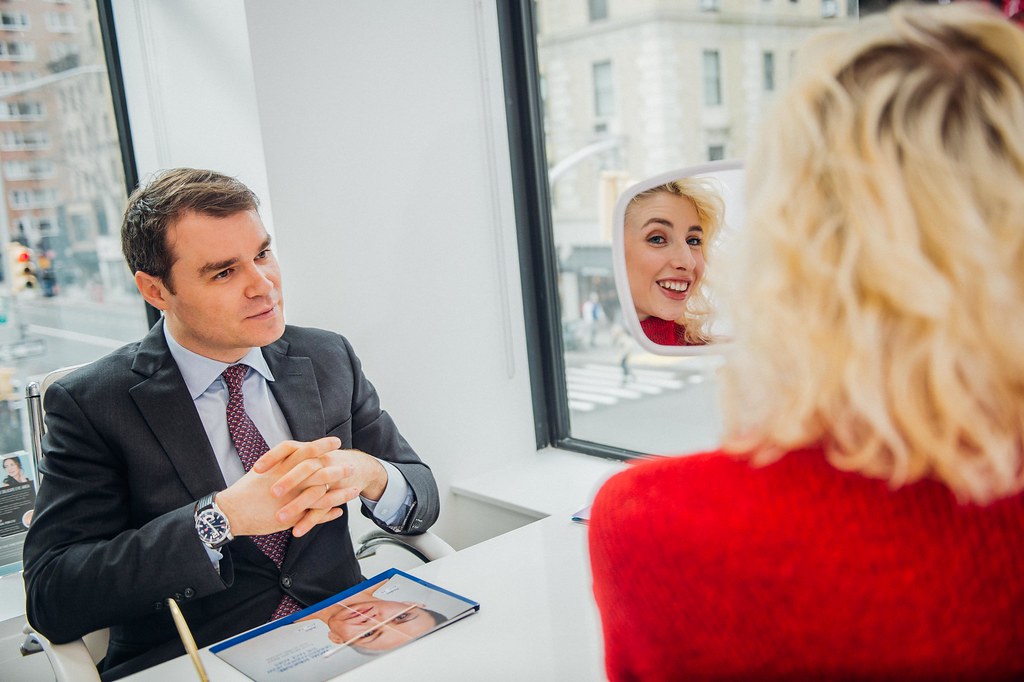
The safest breast augmentation starts with a thorough, honest consultation. At Kat & Co, your surgeon will assess your health, explain the risks and benefits in plain language, and help you decide whether breast enlargement is right for you, without any pressure to go ahead.
Book a consultation at Kat & Co in Edgbaston, Birmingham.


