


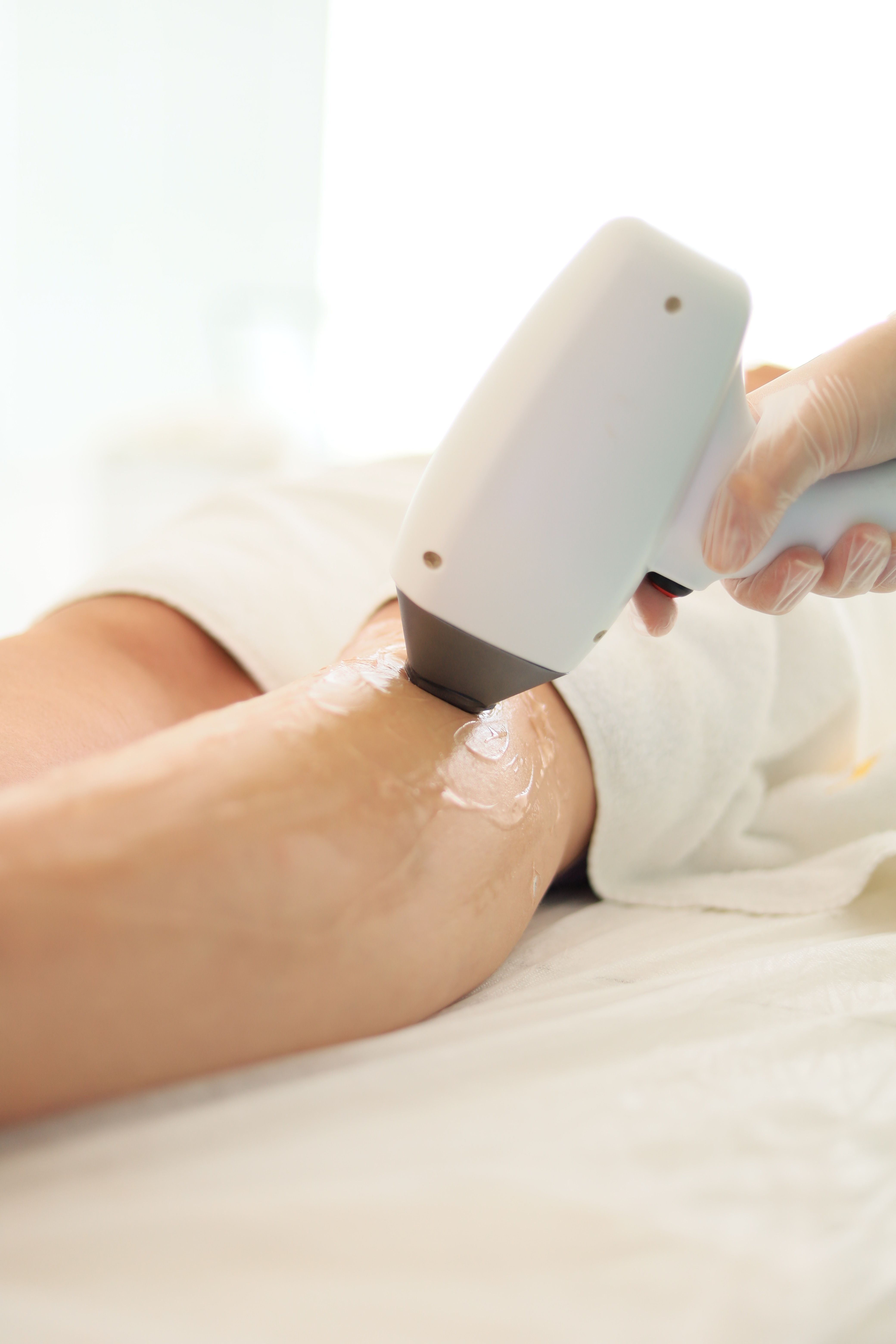
If you're considering laser hair removal, one of the first questions you're likely to ask is: is it actually permanent? It's a fair question, and one we hear often at Kat & Co in Edgbaston. The short answer is that laser hair removal delivers long-lasting, significant hair reduction rather than permanent removal in the strictest sense - but for the vast majority of patients, the results feel genuinely life-changing.
In this guide, we'll explain exactly how laser hair removal works, what "permanent" really means in this context, and what you can realistically expect from your treatment at our Birmingham clinic.
Laser hair removal works by directing concentrated light energy into the hair follicle. The pigment (melanin) in the hair absorbs this light, which converts to heat and damages the follicle, inhibiting its ability to produce new hair.
The key factor here is the hair growth cycle. Hair grows in three distinct phases: anagen (active growth), catagen (transition), and telogen (resting). Laser hair removal is only effective during the anagen phase, when the hair is actively attached to the follicle and the melanin concentration is at its highest. Since not all hairs are in the same phase at the same time, multiple treatment sessions are required to catch all follicles during this active window.
The term "permanent hair removal" is technically defined by the FDA as the long-term, stable reduction in the number of hairs regrowing after a treatment. What laser hair removal delivers is more accurately described as "permanent hair reduction" rather than complete, lifelong removal.
In practice, what does this mean? Most patients experience a dramatic reduction in hair growth - typically 80 to 90% - after completing a full course of treatments. The hairs that do regrow are often finer, lighter, and far less noticeable than before. For many people, this level of reduction means they are entirely free from waxing, shaving, or threading for months or even years at a time.
Some patients will need occasional maintenance sessions to address any regrowth, particularly in areas influenced by hormonal changes such as the face, underarms, or bikini line. Others find their results hold beautifully for years without any touch-ups at all.
Several factors influence how long-lasting your laser hair removal results will be.
Hair and skin colour. Laser hair removal works best on patients with darker hair and lighter skin, as the contrast makes it easier for the laser to target the follicle's melanin. At Kat & Co, we use advanced laser technology suitable for a range of skin tones, and during your consultation we'll assess which approach is right for you.
Treatment area. Areas influenced by hormonal activity - such as the face, chin, and bikini line - are more prone to regrowth over time than areas like the legs or underarms. These areas may benefit from occasional maintenance sessions to keep results looking their best.
Hormonal changes. Hormonal fluctuations from conditions such as polycystic ovary syndrome (PCOS), pregnancy, or menopause can stimulate new hair growth in follicles that were previously treated. This is a biological response rather than a failure of the treatment itself.
Consistency of treatment. Completing your full recommended course of sessions is essential for achieving the best possible results. Skipping sessions or leaving too long between treatments reduces the overall effectiveness of the programme.
Most patients at Kat & Co require between 6 and 8 sessions for optimal results, spaced approximately 4 to 6 weeks apart depending on the treatment area. This spacing ensures each session targets hairs in the active growth phase, progressively reducing the overall density of hair across the area.
We'll discuss the recommended number of sessions for your specific treatment areas during your initial consultation, giving you a clear picture of what to expect and a personalised plan to work towards your goals.
After each session, you may notice some redness and mild sensitivity in the treated area - this is entirely normal and usually settles within a few hours. Hair in the treated area will shed over the following 1 to 3 weeks, which can initially look like growth but is actually the treated hair falling away from the follicle.
Between sessions, you should avoid plucking or waxing, as these methods remove the follicle that the laser needs to target. Shaving is fine. Sun exposure should be minimised in treated areas, and a high-SPF sunscreen applied if those areas will be exposed to sunlight.
For most patients, the long-term reality of laser hair removal is minimal upkeep. After completing an initial course, many clients return for a single maintenance session once a year or every couple of years, simply to keep any regrowth at bay. Compared to a lifetime of waxing appointments and shaving, this represents a significant saving in both time and money - not to mention the freedom from irritation, ingrown hairs, and the constant cycle of temporary solutions.
If you're tired of the ongoing cycle of temporary hair removal methods and want a longer-term solution, laser hair removal could be the answer. At Kat & Co in Edgbaston, we offer thorough consultations to assess your suitability, discuss your goals, and create a personalised treatment plan tailored to your skin tone, hair type, and the areas you want to treat.
Our team is experienced in treating a wide range of patients, and we use high-quality laser technology to ensure both safety and effectiveness. Whether you're looking to treat a small area or are considering a more comprehensive programme, we'll guide you every step of the way.
Curious about whether laser hair removal is right for you? Get in touch with our Edgbaston clinic to book your consultation and take the first step towards smooth, confident skin.


