

.jpeg)
Hypertrophic piercing bumps and keloid scars can appear quite similar at first glance — but there are key differences between them.
It’s not unusual for the skin around a piercing to change as it heals, and understanding what’s happening can make all the difference.
Being able to tell whether you’re dealing with a hypertrophic bump or a keloid scar is important for getting the right treatment and knowing when it’s time to see a doctor.
In this guide, we’ll explore what each condition is, how to spot the differences, available treatment options, and when to seek professional advice.

Hypertrophic piercing bumps — also known as hypertrophic scars — are small, pink or reddish lumps that can develop during the healing process after a piercing. Unlike keloids, these bumps are limited to the area immediately surrounding the piercing site.
They’re fairly common and often appear a few weeks after getting the piercing. Typically, hypertrophic bumps are:
A keloid is a type of raised scar that develops when the skin heals after an injury or trauma — including piercings. Unlike normal scars, keloids occur when the body produces too much collagen during the healing process. This happens because fibroblasts (specialised skin cells) create excessive fibrous tissue, leading to scar overgrowth.
Keloids usually take between 3 and 12 months to appear after the initial injury. They often begin as raised scars that may be pink, red, or darker than the surrounding skin — and they can become even darker over time.
When they form on the earlobe, keloids are often round, oval, or oblong in shape. They may grow slowly or quickly, and in some cases, can become quite large.
The texture can vary, feeling either soft and doughy or firm and rubbery. In addition to their appearance, keloids can sometimes cause:
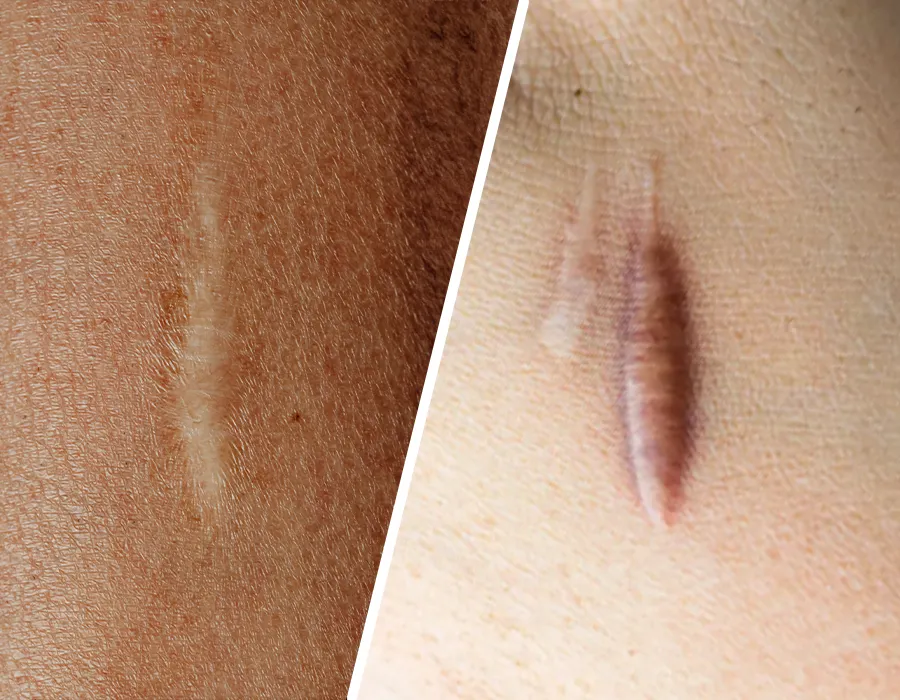
At first, hypertrophic bumps and keloid scars can appear almost identical. But as time goes on, distinct differences become easier to spot.
Below is a quick comparison of their key characteristics:
Piercing bumps are often part of the body’s normal healing process and, in many cases, will improve on their own. Still, there are steps you can take to keep the area healthy, reduce irritation, and prevent infection while it heals:
Tip: Steer clear of harsh products like rubbing alcohol or hydrogen peroxide, as these can irritate the skin and slow the healing process.
There are several ways to treat keloids, and the best approach often depends on factors such as their size, location, and how long they’ve been present. Common treatment options include:
Not all bumps that form near a piercing are hypertrophic scars or keloids — sometimes, they may signal another skin condition or reaction.
An infected piercing can cause noticeable irritation and swelling. Common symptoms include:
Contact dermatitis is a skin reaction that happens when something touching the skin causes irritation or an allergic response. With piercings, this can be triggered by:
Symptoms may include:
Tip: If you suspect a jewellery allergy, switch to a hypoallergenic metal such as titanium or sterling silver to help prevent further irritation.
If you suspect you have a keloid, it’s best to consult a doctor or dermatologist. Without treatment, keloids can continue to grow and become more difficult to manage.
You should also seek medical advice promptly if you notice signs of infection, such as increased pain, swelling, discharge, or fever. Early intervention can help prevent complications and support proper healing.
At Kat & Co, our award-winning, CQC-regulated clinic offers expert scar revision procedures for the treatment of keloids. All treatments are carried out by GMC-registered consultant surgeons, ensuring the highest standard of care.
Keloid removal is typically performed under local anaesthetic, using advanced plastic surgery techniques to excise the scar and improve its appearance. In some cases, laser treatments may also be used to soften edges, reduce tightness, and blend the scar with the surrounding skin.
We offer free consultations with our surgeons, aesthetic doctors, or skin therapists to assess your keloid and recommend the most suitable approach. Prices start from £1,055.
📞 Call us today on 0121 456 7930 or book online to arrange your free consultation.


