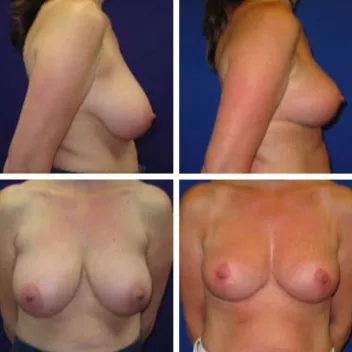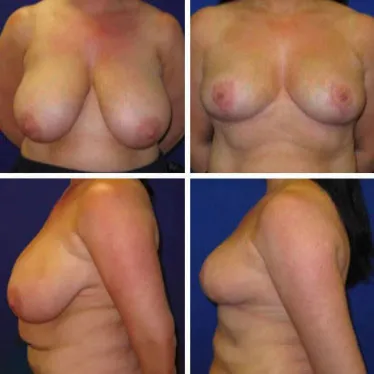




Overview Procedure Before/After FeesConsent Form Post-Operative Instructions Consultants Testimonials Frequently Asked Questions
Breast reduction surgery, also called reduction mammaplasty, is a procedure that removes excess fat, tissue, and skin to create smaller, lighter, and more balanced breasts. For people with very large breasts, this surgery can ease common symptoms such as back, neck, and shoulder pain, while also improving posture, comfort, and day-to-day mobility.Many individuals also choose breast reduction to enhance their self-confidence and make physical activities, including exercise, easier and more enjoyable.If you are thinking about breast reduction, it’s important to speak with a qualified plastic surgeon who can explain the procedure, expected outcomes, and any possible risks or limitations. Understanding what the surgery involves helps you make an informed choice that supports your health and personal goals.
Book A Free Online Mini-ConsultationBreast reduction surgery is usually considered for people with large breasts that cause physical discomfort or affect daily life. Common issues include chronic back, neck, or shoulder pain, shoulder grooves from bra straps, skin irritation or rashes under the breasts, and nerve pain. Large breasts can also make it difficult to participate in certain activities, cause frustration with clothing fit, or contribute to low self-image.
Typical reasons for breast reduction include:
Breast reduction may not be suitable for everyone. Surgery is generally not recommended for people who smoke, are very overweight, or wish to avoid scars. The procedure can be performed at almost any age, including during the teenage years, although breasts that are not fully grown may require revision surgery later.
There are also reasons to consider postponing breast reduction, such as planning to have children — as breastfeeding can sometimes be affected — or planning to lose a significant amount of weight, which can change breast size after surgery. Certain surgical techniques can help preserve the ability to breastfeed for those who wish to do so.

Before your breast reduction surgery, your plastic surgeon will review your medical history and overall health, discuss your goals for breast size and shape, and explain the procedure, including its risks, benefits, and potential changes such as scarring or changes in sensation. Your surgeon will examine and measure your breasts, take photographs for your medical record, and explain the type of anaesthesia that will be used during the procedure. Preparation may also include a mammogram, avoiding smoking for at least six weeks before and after surgery, and stopping medications or supplements that could increase bleeding, such as aspirin, anti-inflammatory drugs, or certain herbal remedies. Typically, breast reduction is performed as a day procedure, so you should arrange for someone to drive you home afterward.Breast reduction surgery is usually performed under general anaesthesia in a hospital or outpatient surgical centre. The exact method can vary depending on your needs, but the main goal is to reduce breast size while improving shape and proportion.
Breast reduction surgery is usually performed under general anaesthesia in a hospital or outpatient surgical centre. The exact method can vary depending on your needs, but the main goal is to reduce breast size while improving shape and proportion.
During the procedure:
The surgeon will aim to make both breasts as symmetrical as possible. The size of the areola may be reduced, and while incision scars will fade over time, they will not disappear completely.
After the procedure:
2 - 2.5 hrs
Twilight Sedation
Daycase (no overnight stay)
3 - 7 days
Bruising, swelling, temporary numbness
Infection, bad scarring, asymmetry, bleeding, nipple areola loss, fat necrosis, delayed wound healing
1 week, 2 weeks, 3 months (after surgery)
1 - 2 weeks
2 weeks post-op - walking, 4 weeks post-op - fast walking, 6 weeks post-op - everything
12 weeks until final result. Scars continue to improve over 18 months
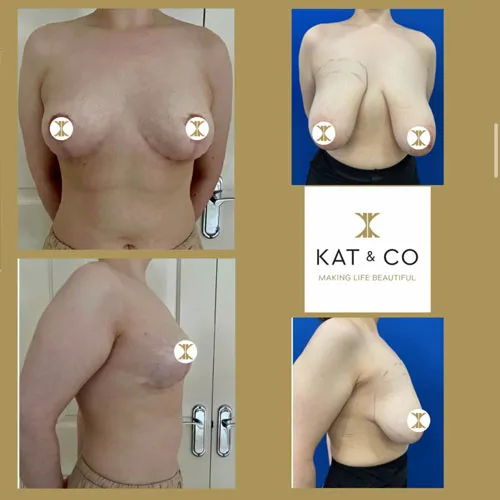
Patients should expect a small amount of scarring after breast reduction surgery. The different breast reduction techniques, in combination with the size of the breasts being operated on, result in differently positioned scars. The level of scarring will vary from patient to patient.
The most common breast reduction scars are around the nipple and vertically, linking the nipple scar to the breast fold. This is called a 'vertical scar' reduction. Some patients may not be suitable for this if they have larger breasts, and will require a scar underneath the breasts, across the bottom of the breast fold.
We will advise the best course of action to reduce scars after your surgery, including the Skinade MD Programme.

Breast reduction scar example


Breast reduction surgery carries the same general risks as any major operation, including bleeding, infection, and adverse reactions to anaesthesia. Additional potential risks specific to this procedure include temporary bruising, visible scarring, changes in nipple or breast sensation, and difficulty or inability to breastfeed.
There may also be differences in the size, shape, or appearance of the left and right breasts, and in some cases, patients may be dissatisfied with the results. Rarely, there can be loss of the nipples or the surrounding skin.
At Kat & Co we carry out breast reductions under Twilight Anaesthesia. Patients will be asleep and will not remember their procedure, but they will be able to breathe for themselves meaning that you will be able to go home the same day and recover in your own home or a nearby hotel.
Our consultants will typically recommend one to two weeks off work for breast reduction patients. However, this may change depending on the individual and the extent of the reduction you are having.
If you are a prospective patient, please download the informed consent form below. This includes information about the treatment, potential risks and contraindications.
Breast reduction surgery (reduction mammaplasty) removes excess breast tissue, fat, and skin to reduce the size and weight of the breasts. Many people choose it because large breasts can cause back, neck, or shoulder pain, skin irritation, difficulty exercising, posture issues, and problems finding well-fitting clothes or bras. It can also improve confidence and overall comfort.
Yes, but only in specific circumstances. The NHS may fund the procedure if large breasts cause significant physical symptoms, such as chronic pain or skin problems, and if non-surgical treatments haven’t helped. Eligibility depends on your local Integrated Care Board (ICB). If the procedure is for cosmetic reasons alone, private treatment is usually required.
Private breast reduction surgery typically costs £6,000–£10,000, depending on the clinic, surgeon experience, location, and aftercare package. Consultations usually cost around £100–£200. At Kat & Co Online Consultations are free.
The procedure is done under general anaesthetic. The surgeon removes excess tissue and reshapes the breast, often using an “anchor” or “lollipop” incision pattern. The nipple is usually re-positioned for a natural appearance. Surgery generally takes 2–3 hours.
Most people need:
Yes. Breast reduction usually leaves scars around the areola, vertically down the breast, and sometimes along the crease. Scars are initially red or raised but typically fade significantly over time. They are generally hidden by bras, swimwear, and most clothing.
The amount removed varies between patients, depending on desired size and anatomy. Breast reduction is not a weight-loss procedure, though many people feel physically lighter afterward. The main goal is improved comfort, posture, and proportion.
Breastfeeding ability may be reduced or lost, depending on how much tissue is removed and the surgical technique used. Some patients can breastfeed, while others cannot. If breastfeeding is important to you, discuss this with your surgeon before the procedure.
Look for a clinic registered with the Care Quality Commission (CQC) and a surgeon who is GMC-registered and specialises in breast surgery. You can also:
Breast Reduction starts from £8,698
The initial consultation charge is between £50 and £195. There is no additional charge for a second consultation before proceeding with surgery. If you are not ready to commit to a formal consultation, we offer a free mini virtual consultation. Click here to book your free mini virtual consultation
Potential risks include scarring, changes in nipple sensation, infection, wound-healing difficulties, uneven breast shape, and reduced ability to breastfeed. Rare complications include fat necrosis (firm lumps), blood clots, or loss of nipple blood supply. Your surgeon will explain these during your consultation.