









1-2 Hours
1-2 Weeks
Daycase Procedure
3 - 7 days
12 Weeks
At Kat & Co Rhinoplasty starts at £9071, which varies depending on several factors including the complexity and type of procedure, the clinician performing the surgery and whether or not the patient wants any additional procedures.
Rhinoplasty Surgery (Also known as a Nose Job/Nose Correction) is a procedure that can correct aesthetic or functional issues related to the nose. Both the shape and size can be altered to the patients preferences. Rhinoplasty may also be relevant when addressing breathing challenges such as sleep apnoea or snoring.
Many feel insecure about the way their nose looks /functions which may lead to struggles with socialising or exercise.
When considering Rhinoplasty Surgery, it is crucial to think about realistic outcomes and choosing a reputable clinic. Below we have included as much detail as possible on the cost of Rhinoplasty surgery in order for patients to be able to make an informed decision.

The cost of Rhinoplasty can differ across clinics and surgeons due to many factors such as the clinic location, the quality of service and reputation of the clinic and the type of procedure undergone.
Some of the Key Factors Include:
Rhinoplasty can be performed by surgeons with different levels of specialisation. While all qualified surgeons are trained to carry out this procedure, their experience, focus, and surgical background can influence both the process and the final outcome.
Surgeons with a General Aesthetic Background
Surgeons with Advanced Rhinoplasty Experience
Choosing where to undergo rhinoplasty is just as important as choosing your surgeon. Reputable clinics prioritise patient safety, clinical standards, and consistently positive outcomes at every stage of the surgical journey.
High-quality surgical providers typically:
Maintaining these standards requires significant investment in facilities, staff training, and clinical systems. While this can influence the overall cost of treatment, it also offers reassurance that patient wellbeing, safety, and surgical outcomes are prioritised throughout the entire process.
Pre- and post-operative care play a vital role in both the safety of rhinoplasty surgery and the quality of the final results. The level of care included can vary between providers, but comprehensive support before and after surgery helps ensure patients feel informed, supported, and confident throughout their treatment journey.
High-quality surgical care typically includes:
While more comprehensive pre- and post-operative care can influence the overall cost of rhinoplasty, it also provides reassurance that your wellbeing is prioritised at every stage, helping to support a smoother recovery and the best possible results.
Lower treatment costs can make travelling abroad for rhinoplasty appear appealing. However, it’s important to carefully consider the potential risks alongside the perceived savings. Standards of regulation, patient care, and aftercare can vary significantly between countries, which may impact both safety and long-term results.
Potential considerations when having surgery abroad include:
To reduce risk and improve peace of mind, many patients choose treatment with a reputable, well-regulated provider in their home country. Clear regulatory oversight, transparent surgeon credentials, and accessible aftercare can all contribute to a safer experience and more reliable surgical outcomes.
There are many reasons people choose rhinoplasty, also known as nose reshaping surgery. Beyond enhancing facial harmony, this procedure can improve nasal function, balance facial proportions, and boost self-confidence.
You might be a good candidate for a nose job if you’re looking to:
If you’re considering rhinoplasty, arranging a consultation with a qualified specialist is the best way to explore your options and determine the approach that suits your goals.
Like any major surgery, rhinoplasty carries certain risks, including:
There are also risks specific to rhinoplasty, such as:
It’s important to discuss these risks with your surgeon to understand how they may apply to your individual case.
Before undergoing rhinoplasty, you will meet with your surgeon to discuss whether the procedure is suitable for you and to plan your surgery. This consultation typically includes several key steps:
Review of your medical history
Your surgeon will ask why you want the surgery and what goals you hope to achieve. You’ll also provide details about your medical history, including past nasal issues, previous surgeries, medications, and any bleeding disorders, which may affect your suitability for rhinoplasty.
Physical examination
The surgeon will examine your nose and facial features, both inside and out. This helps determine what changes are needed and how your anatomy—such as skin thickness or cartilage strength—may influence the results and impact breathing.
Photographs
Photos of your nose are taken from multiple angles. These may be digitally altered to give an idea of potential outcomes. They also serve as a reference during surgery and for before-and-after comparisons.
Discussion of expectations
It’s important to openly discuss your reasons for surgery and what results you hope to achieve. The surgeon can explain what rhinoplasty can realistically accomplish. Your overall facial proportions will also be considered—for example, if you have a smaller chin, the surgeon may suggest chin augmentation to balance your profile, although this is optional.
Planning for recovery
If your procedure is outpatient, arrange for someone to drive you home. After anesthesia, you may experience temporary forgetfulness, slower reactions, or impaired judgment. It’s advisable to have a family member or friend stay with you for the first night or two to assist with personal care as you recover.
Avoid taking medications that contain aspirin or ibuprofen (such as Advil or Motrin) for two weeks before and two weeks after surgery, as they can increase the risk of bleeding. Only take medications approved or prescribed by your surgeon, and avoid herbal remedies or over-the-counter supplements unless cleared by your doctor.
If you smoke or vape, stop before surgery. Smoking and vaping can slow the healing process, increase the risk of tissue damage, and raise the likelihood of infection.
Rhinoplasty is a personalised procedure tailored to your anatomy and goals.
During the surgery
You will receive either local anesthesia with sedation or general anesthesia, depending on the complexity of the surgery and your surgeon’s recommendation. The procedure may involve incisions inside the nose or a small cut at the base of the nose. The surgeon reshapes the bone and cartilage, which may be taken from the nose, ear, or other areas if needed. A deviated septum can also be corrected to improve breathing.
After the surgery
You will be monitored in a recovery area and usually go home the same day. Post-surgery, you need to rest with your head elevated to reduce swelling and bleeding. Internal bandages may stay in for 1–7 days, and a protective splint is usually worn for about a week. Mild bleeding and drainage are normal.
1 - 2 hours
TIVA
Daycase
3 - 7 days
Bruising, swelling, temporary numbness and temporary skin infection
Excessive scarring, asymmetry, bleeding, permanent numbness and airway narrowing
1 week, 3 months
1 - 2 weeks
2 weeks post-op - walking, 4 weeks post-op - everything
12 weeks until final result scars continue to improve over 18 months
Even small adjustments to the nose (sometimes just a few millimeters) can significantly impact its appearance. With an experienced surgeon, most patients achieve results they are happy with.
In some cases, minor changes may not fully meet expectations. If additional adjustments are needed, a revision rhinoplasty can be performed, but it is typically recommended to wait at least one year after the initial surgery. This allows the nose to fully heal and settle, as subtle changes can continue to occur during the first year.
Recovery times vary depending on the individual and the extent of the surgery. During the first few weeks, it’s important to take things slowly and allow your body time to heal.
To protect your results and avoid complications:
Your surgeon will provide specific aftercare instructions to ensure your recovery remains smooth and comfortable.
Taking small steps to care for yourself can make a big difference to your recovery.
To help reduce swelling and promote healing, you should:
At Kat & Co, your comfort and safety are our top priorities. Our expert team will provide detailed aftercare instructions and ongoing support throughout your rhinoplasty recovery.
If you’re considering nose reshaping surgery, booking a consultation with our Birmingham specialists is the best way to discuss your goals, explore treatment options, and learn what to expect from your personal recovery journey.
The before and after examples below show only a small selection of our amazing rhinoplasty results. Your surgeon will be able to show you more examples in your consultation.
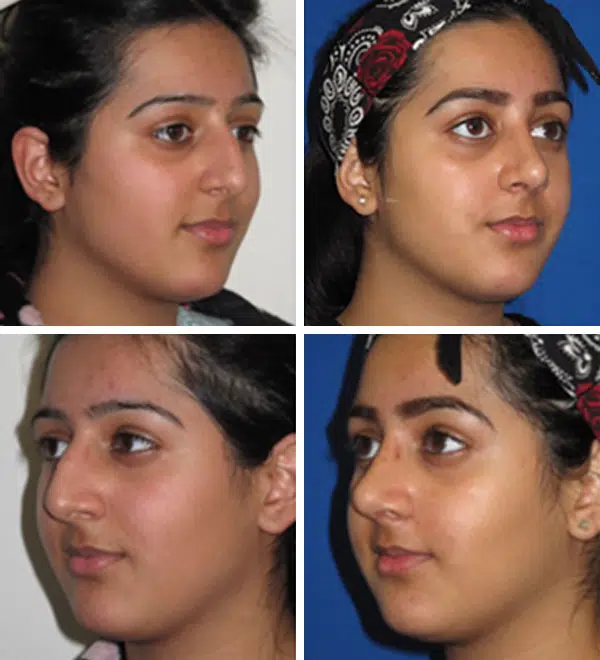
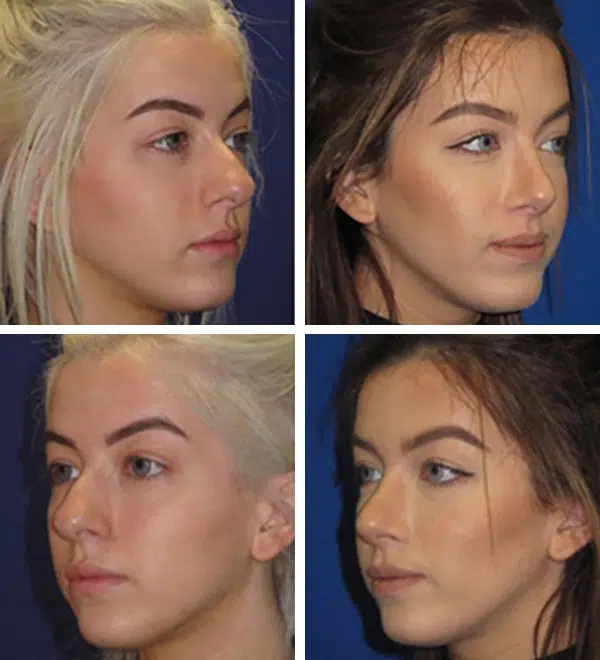

Your surgeon will examine you and assess your suitability for surgery.
Your pre-operative medical assessment will ensure you are fit and healthy for your procedure.
Your procedure will be carried out at the beautiful Kat & Co clinic as a daycase.
Dressings appointment around a week after your surgery to check your wound is healing well.
3-month follow-up appointment with your surgeon to discuss your healing and results.
You will see your final result around 12 weeks after surgery, but your scars will continue to improve over 18 months.
Hundreds of happy patients have had their surgery with Kat & Co. Check out what a few of them have to say:
I am absolutely over the moon. Every single member of the Kat and Co team are truly wonderful. Dave Green (anaesthetist), what a wonderful man, so funny and so professional. I immediately felt as ease around him, he talked me through everything so thoroughly. All of the surgical team there were AMAZING, they came over to say hello to me in the operating room but I cant remember all of their names but they were just fantastic.
I had been thinking about having this procedure for over 20 years. I am so glad I eventually took the plunge.
The procedure was explained to me and after meeting my Surgeon Mr Anari, I was completely sure I wanted to go ahead. He was able to answer all my questions and helped me to understand the procedure at all stages of the process.
I couldn’t be happier with the experience and care I received. Mr. Anari was honest, friendly, professional and trustworthy. The outcome is better than I could have imagined and would recommend Mr. Anari to anyone committed to having the procedure. Many thanks!
Ready to start your journey? Call a member of our team or book your free consultation today!
If you are a prospective patient, please download the informed consent form below. This includes information about the treatment, potential risks and contraindications.


