



Curious about how long it truly takes to recover from a nose job? Rhinoplasty is a highly transformative cosmetic procedure, and knowing what to expect during recovery is essential for a smooth healing process and optimal results.
Whether you’re planning surgery or simply exploring your options, understanding the rhinoplasty recovery timeline can help reduce anxiety and set realistic expectations. Keep reading as we guide you through each stage of recovery and share tips to support your healing for the best outcome.
Full recovery from a nose job can take up to a year, as internal swelling gradually resolves and the nose settles into its final shape. That said, most patients experience noticeable improvement within the first week. By around two weeks post-surgery, bruising and swelling have usually reduced enough for many to feel comfortable returning to work or social activities. Here’s a closer look at the key stages of rhinoplasty healing and what to expect along the way.
Recovering from rhinoplasty is a step-by-step process, and knowing what to expect at each stage can help ease anxiety and support smoother healing. While individual recovery times vary, most patients follow a general timeline from the first days of swelling to the final, refined results months later.
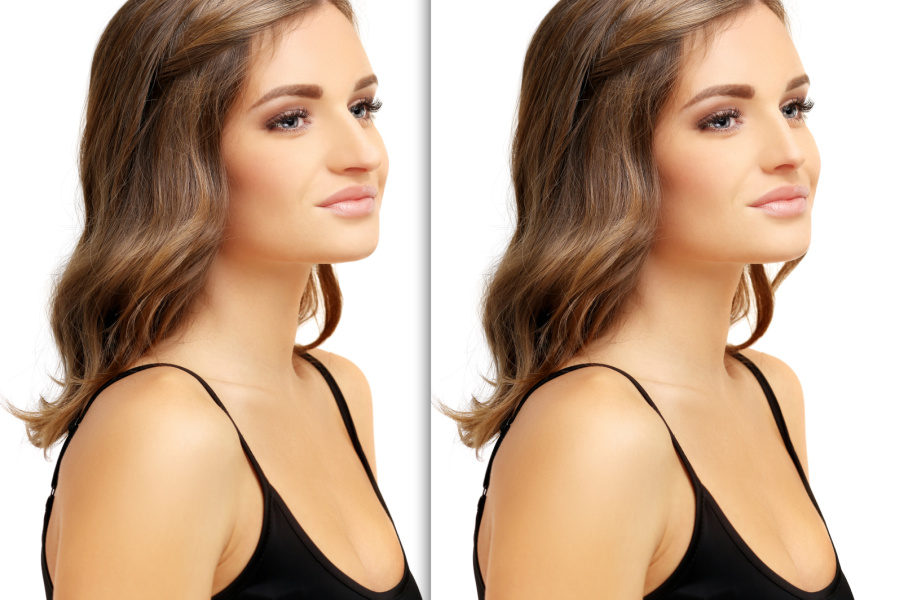
The first few days focus on rest and protection. Swelling and bruising usually peak within the first 72 hours, accompanied by tenderness, facial pressure, and nasal congestion. A splint is placed over the nose for support, and patients are advised not to disturb the area. Bruising around the eyes and cheeks is common. Discomfort is typically manageable with pain medications, and keeping your head elevated while sleeping can reduce swelling. Cold compresses (placed around, not on, the nose) help ease pressure, and strict adherence to post-operative instructions sets the stage for smooth recovery.
Swelling and bruising are most noticeable during this period. Congestion and pressure may persist, but some early improvements may start to appear. The nasal splint usually remains in place to protect and support the nose. Light activity like short walks is recommended, while avoiding strenuous movement. Discoloration around the eyes begins to fade, though puffiness in the nose may persist. Continuing cold compresses and head elevation helps manage swelling and promotes healing.
By the end of the first week, many patients feel more comfortable and notice reduced swelling and bruising. The nasal splint is typically removed, offering the first glimpse of the new nose—though it’s far from the final result. At this stage, most people feel ready to return to work or school if their activities are not physically demanding. Walking is encouraged, while strenuous activity is still limited. Residual bruising can often be concealed with makeup for a smoother social transition.
During weeks two and three, swelling and bruising continue to diminish. About 70–80% of initial swelling usually resolves, allowing the nose’s shape to become more apparent. Mild puffiness may remain, especially at the nasal tip, but it’s often only noticeable to the patient. Light exercise is generally safe, but heavy workouts should still be avoided. This is a good time to plan social or professional engagements as your appearance returns closer to normal.
By the one-month mark, most patients are ready to resume normal activities, including low-impact exercise. The majority of visible swelling has resolved, and the nose begins to settle into a more refined shape. Gentle workouts like walking or stationary cycling are usually safe, while high-impact or heavy lifting should be reintroduced gradually. Internal healing continues, so listening to your body and consulting your surgeon before resuming intense exercise is essential.
Three to six months after surgery, most healing is complete, and results become more defined. Residual swelling in the nasal bridge usually subsides, though minor puffiness may linger at the tip. Subtle contour refinements continue, and numbness or stiffness typically improves. Most daily and non-contact activities are safe, but contact sports or anything risking trauma to the nose should still be avoided. By this stage, patients usually feel confident in their new appearance.
Although visible healing is largely complete by six months, subtle refinements continue throughout the first year, especially for thicker-skinned patients or complex procedures. The nasal tip gradually becomes more defined, and the final shape stabilizes. One year post-surgery, the nose generally feels normal in function and sensation, with results reflecting the surgical goals. Patience during this period ensures a balanced, natural, and long-lasting outcome.
While time is crucial for rhinoplasty recovery, the habits you adopt during healing can significantly impact your comfort, swelling, and final results. Simple practices—like resting properly and maintaining a healthy diet—can make your recovery smoother and reduce pain. Here are key tips to help you heal effectively after rhinoplasty.

Adequate rest is vital in the early days following rhinoplasty. Your body uses this time to repair nasal tissues, reduce inflammation, and process medications. Aim for 7–9 hours of uninterrupted sleep each night and avoid unnecessary activity to support optimal healing.
Elevating your head, especially while sleeping, is one of the most effective ways to minimize swelling. Use extra pillows or a wedge to maintain roughly a 45-degree angle. This position helps fluid drain, improves circulation, and accelerates recovery.
Cold compresses help reduce swelling and bruising during the first 48 hours after surgery. Apply them gently around the eyes and cheeks, never directly on the nose, to avoid disrupting healing. Wrap compresses in a soft cloth and use them in short intervals for best results.
Proper hydration supports tissue repair, flushes out toxins, and reduces inflammation. Drink at least 8–10 glasses of water daily, and limit salty foods that can increase swelling and slow your recovery.
A balanced diet rich in vitamins A and C, zinc, and protein provides the nutrients your body needs to repair tissues efficiently. Avoid processed or salty foods that can contribute to swelling. Whole, nutrient-dense meals support faster, smoother healing.
Short, easy walks improve circulation, reduce stiffness, and lower the risk of blood clots. Begin with brief walks at home or outside during the first week, gradually increasing activity as your surgeon advises. Avoid strenuous exercise until fully cleared.
Every rhinoplasty procedure is unique, and your surgeon’s post-operative instructions are tailored to your needs. Adhering closely to these guidelines, attending follow-up appointments, and communicating any concerns ensures the best possible outcome and reduces the risk of complications.
Most rhinoplasty recoveries go smoothly, but it’s important to be aware of potential risks and complications during the healing process. Recognising warning signs early can help you take action and ensure your results remain on track. Here are some common issues to watch for:
Swelling is a normal part of recovery, but if it worsens after initial improvement or persists longer than expected, it could indicate fluid buildup or inflammation that needs attention.
Signs of infection include increasing redness, warmth, pus, or fever. If any of these occur, contact your surgeon immediately to prevent complications.
Breathing difficulties may appear or continue after surgery, often caused by internal swelling or scar tissue in the nasal passages. Monitoring airflow and reporting issues is important for early intervention.
Mild asymmetry is normal early on, but significant or lasting differences in shape may require further evaluation or revision rhinoplasty.
Temporary numbness, tingling, or sensitivity is common and should improve over time. Persistent pain, discoloration, or unusual sensations should be assessed by your surgeon.
For open rhinoplasty procedures, the incision at the base of the nose can occasionally heal poorly, resulting in raised or noticeable scars. Proper wound care and following post-operative instructions help minimise this risk.
Always adhere to your surgeon’s instructions, attend follow-up appointments, and reach out if you notice anything unusual. Early communication is key to a safe recovery and achieving the best possible results.
.webp)
.webp)
.webp)
Ready to reshape your nose and enhance your facial harmony? At Kat & Co, our expert surgeons provide personalised rhinoplasty treatments to help you achieve natural, balanced results. With procedures starting from £9,071, same-day surgery, and a recovery timeline designed for comfort, we make your journey smooth and stress-free.
Book your free consultation today and take the first step toward the nose you’ve always wanted. Call us on 0121 456 7930 or request a call back online. Your new look is closer than you think!


