


Liposuction is a popular cosmetic surgery designed to remove stubborn fat deposits that don’t respond to diet or exercise. It can target areas such as the hips, thighs, abdomen, buttocks, face, neck, knees, and ankles. In fact, it remains one of the most frequently performed cosmetic procedures in the UK.
Despite its popularity, liposuction is often surrounded by myths and misconceptions—one of the biggest being that it isn’t safe. The reality is more balanced: like any surgical procedure, liposuction does carry certain risks. However, when carried out by a qualified and experienced cosmetic surgeon, it is generally considered to be as safe as other forms of cosmetic surgery.
In this guide, we’ll take a closer look at why liposuction is regarded as safe, outline the potential risks and side effects, and separate fact from fiction when it comes to common myths surrounding this treatment.
Modern liposuction techniques have come a long way in recent years, making the procedure safer and more effective than ever before. When performed by a skilled and experienced surgeon—and when patients carefully follow pre- and post-operative instructions—liposuction is generally considered a safe cosmetic surgery option.
During your consultation, your surgeon will review your medical history, discuss your treatment goals, and determine whether you are a suitable candidate. Not everyone is eligible for liposuction, as certain health conditions and lifestyle factors can increase the risks.
Liposuction is not recommended for individuals who:
The ideal candidate for liposuction is someone who:
It’s important to understand that liposuction is not a weight-loss procedure. Instead, it is designed to reshape and contour specific areas of the body, enhancing natural proportions and helping patients achieve a more balanced silhouette.
Like any surgical procedure, liposuction carries potential risks. These risks are far more likely when the procedure is carried out by an inexperienced surgeon or at a clinic that does not uphold the highest standards of safety and aftercare. Choosing a qualified, reputable surgeon is one of the most important steps in ensuring your safety.
It’s also essential to remember that liposuction is not a weight-loss treatment. The procedure can become dangerous if excessive amounts of fat are removed in one session, as this increases the chance of complications and poor results.
Patients should also be cautious of “bargain” procedures. Very low-cost liposuction may come at the expense of safety standards, proper facilities, and quality aftercare. Similarly, travelling abroad for cosmetic surgery can increase risks if follow-up care is limited or not included.
.jpeg)
Liposuction can be performed using several different techniques. The right method for you will depend on the area being treated and your personal goals. During your consultation, your surgeon will explain the chosen technique in detail and provide tailored instructions to help you prepare. This may include avoiding certain medications, guidance on fasting, and advice on what to wear on the day.
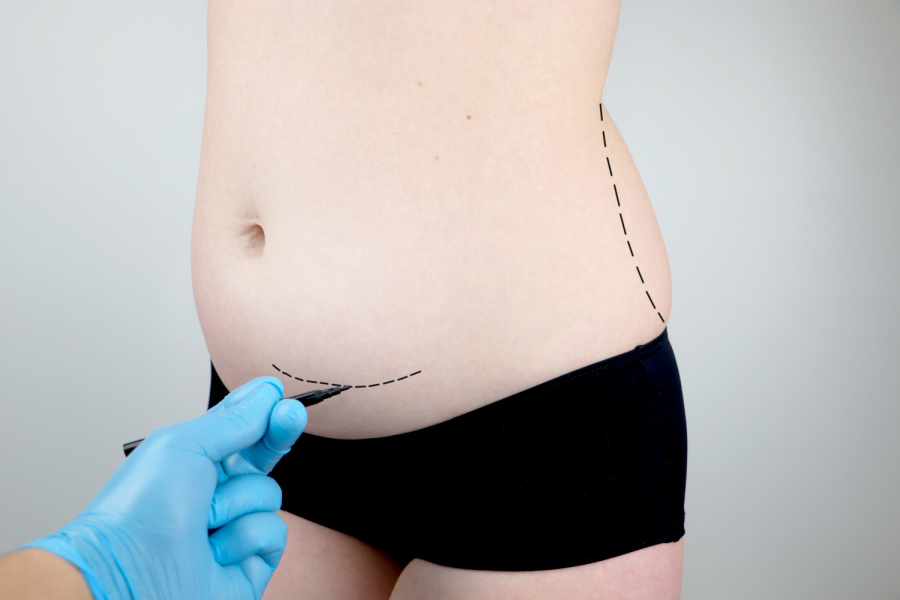
When you arrive for your procedure, your surgeon will mark the treatment areas on your body. They may also take photographs to help track your results with clear before-and-after comparisons.
The procedure begins with anaesthesia—either local or general—depending on the amount of fat being removed, the target area, and the surgical technique. Your surgeon will then make small, discreet incisions and use a fine cannula (a thin tube) to gently break down and remove unwanted fat, creating a smoother, more contoured shape.
Throughout the procedure, your surgical team will closely monitor your blood pressure, heart rate, and oxygen levels to ensure your safety. Once the treatment is complete, the incisions will be closed and dressed. Most liposuction procedures take between one and three hours.
Following surgery, you’ll remain at the clinic for a few hours so the medical team can monitor your recovery. Some soreness, bruising, and swelling are expected, but these can be managed with pain relief. To support healing and reduce swelling, patients are usually asked to wear compression garments for several weeks after surgery.
Most people take about a week off work to rest and recover, but you should avoid strenuous activity or exercise for at least six weeks. Your surgeon will arrange regular follow-up appointments to check on your progress and guide you through each stage of recovery.
Liposuction is generally considered safe when performed by an experienced surgeon, but like all surgical procedures, it does carry some risks. Possible complications include:
The good news is that serious complications are uncommon. The risks are significantly reduced when you choose a highly qualified, board-certified surgeon who has extensive experience with liposuction. A skilled surgeon will only remove fat within safe limits and provide thorough aftercare to ensure a smooth and healthy recovery.
In addition to the rare complications, there are also some common side effects that are considered a normal part of the healing process. These are expected after liposuction and usually improve over time.
Typical side effects may include:
Although these side effects are not usually a cause for concern, you can help your body heal by getting adequate rest, wearing compression garments to reduce swelling, staying well hydrated, and carefully following your post-surgery instructions.
Liposuction is a widely performed cosmetic procedure, but it is often misunderstood. Beyond outdated concerns about safety, several myths still surround what the treatment can and cannot do. Let’s clear them up:
Truth: Liposuction is not a weight-loss treatment. It is best suited for people who are already close to their ideal weight but struggle with stubborn areas of fat that don’t respond to diet and exercise.
Truth: Liposuction removes fat, but it does not treat cellulite or stretch marks. Cellulite is caused by fibrous connective tissue pulling on the skin, which liposuction does not address.
Truth: If excess fat is combined with skin laxity—such as in a double chin or abdominal “paunch”—liposuction alone may not achieve the desired results. In these cases, skin tightening or additional procedures may be recommended.
Truth: Once fat cells are removed, they do not regenerate. However, if you gain weight after treatment, the remaining fat cells in your body can still enlarge. Maintaining a healthy lifestyle is key to preserving your results.


